





Planning Your Dream Garage Gym Build: From Vision to Reality
Share
Building a garage gym transforms your fitness routine from a chore into a convenient, personalized experience. With proper planning, you can create a space that rivals commercial facilities while saving thousands on monthly memberships. The key lies in methodical preparation and smart equipment choices.
How do you start planning a garage gym build?
Start by assessing your space, setting a realistic budget, and defining your fitness goals. Measure your garage dimensions, account for ceiling height, electrical needs, and climate control requirements. Most garage gyms cost $2,000-$8,000 depending on equipment quality and space size.
The most successful garage gym builds follow a structured approach:
- Space Assessment: Measure length, width, and height (minimum 8 feet for overhead movements)
- Budget Planning: Allocate 40% for cardio, 40% for strength equipment, 20% for accessories
- Goal Definition: Strength training, cardio, or multi-purpose fitness
- Timeline Creation: Allow 3-6 months for complete setup
What's the ideal garage gym layout?
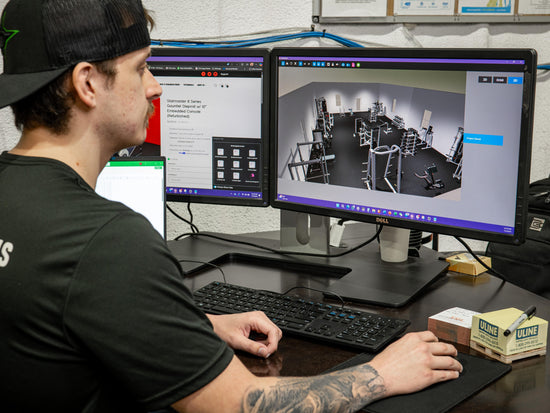
The optimal garage gym layout maximizes floor space while maintaining safe movement zones. Plan for 3-foot clearances around major equipment and 8-foot overhead space for Olympic lifting or pull-ups.
Essential layout zones include:
| Zone | Purpose | Space Required |
|---|---|---|
| Cardio Zone | Treadmill, elliptical, bike | 8' x 6' per machine |
| Strength Zone | Power rack, weights | 8' x 10' |
| Floor Work | Stretching, bodyweight | 8' x 8' |
| Storage | Accessories, maintenance | 2' x 6' |
Which equipment should you prioritize first?
Prioritize versatile equipment that serves multiple functions and fits your primary fitness goals. For strength training, start with a power rack and Olympic barbell set. For cardio-focused gyms, invest in one high-quality machine like a commercial-grade treadmill or elliptical.
Equipment priority by fitness goal:
Strength Training Priority:
- Power rack or squat stand
- Olympic barbell and plates
- Adjustable bench
- Rubber flooring
Cardio Priority:
- Primary cardio machine (treadmill/elliptical)
- Secondary option for variety
- Flooring for bodyweight exercises
- Basic strength accessories
Remanufactured commercial equipment offers exceptional value for garage gyms. The Life Fitness CLST Integrity Series Treadmill provides commercial durability at $2,195, while the StairMaster HIIT Air Bike offers intense cardio training for $1,195.
How do you prepare the garage infrastructure?
Proper infrastructure preparation prevents equipment damage and creates a comfortable workout environment. Address electrical, flooring, climate control, and storage before equipment arrival.
Essential infrastructure improvements:
- Electrical: Install dedicated 20-amp circuits for treadmills and other motorized equipment
- Flooring: 3/8" rubber mats for weight areas, interlocking foam for cardio zones
- Climate Control: Insulation, heating/cooling, and ventilation fan
- Lighting: LED fixtures providing 50+ foot-candles illumination
- Storage: Wall-mounted racks and ceiling systems
What's a realistic timeline for garage gym completion?
A complete garage gym build typically takes 3-6 months from initial planning to first workout. This timeline accounts for infrastructure improvements, equipment sourcing, delivery scheduling, and setup.
Month 1-2: Planning and Preparation
- Space measurement and design
- Budget finalization
- Infrastructure improvements begin
Month 2-4: Infrastructure and Major Equipment
- Electrical and flooring installation
- Order primary equipment pieces
- Climate control setup
Month 4-6: Equipment Installation and Accessories
- Major equipment delivery and placement
- Accessory purchases
- Final organization and testing
How do you maximize your garage gym budget?
Smart budget allocation focuses spending on equipment you'll use daily while finding savings on occasional-use items. Remanufactured commercial equipment often provides 70% savings versus new while maintaining commercial durability.
Budget optimization strategies:
- Invest Heavy: Daily-use items like barbells, racks, primary cardio machine
- Buy Smart: Remanufactured commercial over new consumer-grade
- DIY When Possible: Flooring installation, basic electrical work
- Phase Purchases: Start with essentials, add accessories over time
The Precor EFX 835 Total Body Elliptical Trainer exemplifies smart garage gym investing - commercial-grade construction for $2,595 versus $8,000+ new.
How much space do I need for a functional garage gym?
A functional garage gym requires minimum 200 square feet (10' x 20') for basic strength training, or 300+ square feet for combined strength and cardio. Single-car garages work for focused training, while two-car garages accommodate comprehensive setups.
Can I build a garage gym on a tight budget?
Yes, basic garage gyms start around $1,500 including flooring, rack, barbell, plates, and bench. Focus on versatile equipment and consider used commercial pieces. Remanufactured equipment offers commercial quality at consumer prices.
Do I need special electrical for garage gym equipment?
Most strength equipment requires standard outlets, but treadmills and other motorized cardio machines need dedicated 20-amp circuits. Plan electrical upgrades during the preparation phase to avoid delays.
How do I maintain garage gym equipment?
Regular maintenance includes weekly cleaning, monthly lubrication of moving parts, and seasonal deep cleans. Commercial remanufactured equipment typically requires less maintenance than consumer models due to superior build quality.
What's the return on investment for a garage gym?
Garage gyms typically pay for themselves within 12-24 months compared to commercial gym memberships. A $4,000 setup saves $100-200 monthly in membership and travel costs while providing unlimited access and convenience.


