





Garage Gym Transformations: From Empty Space to Full Training Setup
Share
Converting your garage into a functional home gym can transform both your space and your fitness routine. With proper planning, the right equipment, and some elbow grease, that cluttered storage area can become your personal training sanctuary in just a few weekends.
How do you transform a garage into a home gym?
Transforming a garage into a home gym requires three key steps: clearing and preparing the space, selecting essential equipment that fits your goals and budget, and organizing everything for maximum functionality. Most garage gym transformations cost between $1,500-$5,000 and take 2-4 weeks to complete.
The process starts with honest assessment of your space and goals. A typical two-car garage offers 400-600 square feet – plenty of room for a complete training setup. However, success depends on smart equipment choices and efficient layout planning.
What's the first step in planning your garage gym transformation?
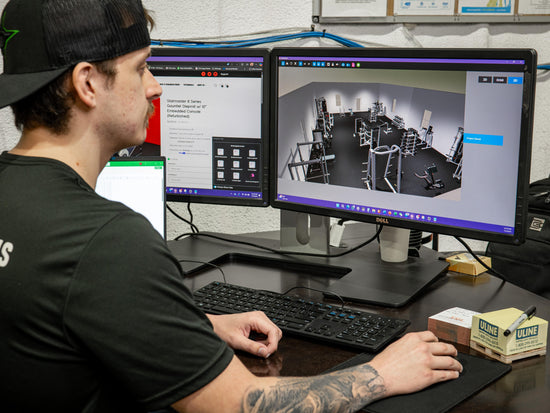
Begin by measuring your garage dimensions and identifying any obstacles like water heaters, electrical panels, or storage you can't relocate. Create a simple floor plan sketch noting:
- Available floor space (length x width)
- Ceiling height for overhead movements
- Electrical outlet locations
- Climate control needs
- Storage requirements for seasonal items
Consider your training style when planning. Powerlifters need different setups than cardio enthusiasts or functional fitness athletes. This determines your equipment priorities and space allocation.
What essential equipment should you prioritize for maximum impact?
Focus on versatile equipment that provides multiple exercise options within your space constraints. Here's the priority order for most garage gym transformations:
Tier 1: Foundation Equipment
- Power rack or squat stand
- Olympic barbell and weight plates
- Adjustable bench
- Rubber flooring or mats
Tier 2: Cardio and Conditioning
- Cardio machine (treadmill, elliptical, or air bike)
- Kettlebells or dumbbells
- Pull-up bar or attachment
For cardio equipment, consider remanufactured commercial-grade options. The StairMaster HIIT Air Bike offers intense conditioning workouts in minimal space, while the Life Fitness CLST Integrity Series Treadmill provides reliable running surfaces that withstand heavy use.
How much does a complete garage gym transformation cost?
Budget garage gym transformations range from $1,500-$8,000+ depending on equipment quality and quantity. Here's realistic cost breakdown by budget level:
| Budget Level | Equipment Focus | Typical Cost |
|---|---|---|
| Budget | Used equipment, DIY solutions | $1,500-3,000 |
| Mid-Range | Mix of new/remanufactured | $3,000-6,000 |
| Premium | Commercial-grade equipment | $6,000-12,000+ |
Remanufactured commercial equipment offers the sweet spot between quality and cost. You get gym-quality durability at 40-60% less than new equipment prices.
What are the biggest challenges in garage gym transformations?
Climate control tops the list of garage gym challenges. Extreme temperatures make workouts uncomfortable and can damage equipment. Solutions include:
- Insulation for temperature regulation
- Ventilation fans for air circulation
- Space heaters or cooling fans for seasonal comfort
- Dehumidifiers in humid climates
Space optimization requires creativity. Vertical storage, wall-mounted accessories, and multi-functional equipment maximize your training area. Consider ceiling-mounted pulley systems and wall-mounted pull-up bars to preserve floor space.
How do you maintain motivation in your home gym?
Creating an inspiring environment keeps you consistent with your training. Many successful garage gym owners recommend:
- Good lighting – LED strip lights or bright overheads
- Sound system for motivating music
- Mirrors to check form and create spaciousness
- Organization systems that make equipment easily accessible
- Personal touches like motivational posters or training logs
For cardio variety, elliptical trainers like the Precor EFX 835 Total Body Elliptical Trainer provide full-body, low-impact workouts that complement strength training perfectly.
What timeline should you expect for your transformation?
Most garage gym transformations follow this timeline:
- Week 1: Planning, measuring, decluttering
- Week 2: Flooring installation, electrical work
- Week 3: Equipment delivery and setup
- Week 4: Organization, final touches, first workouts
Rushing the process often leads to poor equipment choices or layout regrets. Take time to research and plan – your future self will thank you.
Frequently Asked Questions
Do I need special flooring for a garage gym?
Yes, proper flooring protects your concrete, reduces noise, and provides cushioning. Rubber mats or interlocking tiles work well for most setups. Budget at least $200-500 for quality flooring materials.
How much space do I need for a functional garage gym?
A minimum 10x10 feet (100 square feet) can accommodate basic strength training. However, 12x16 feet (192 square feet) or larger allows for cardio equipment and more comfortable movement patterns.
Is remanufactured equipment reliable for home gyms?
Yes, professionally remanufactured commercial equipment often outperforms new residential-grade options. Commercial equipment is built for heavy daily use and typically includes warranties on refurbished units.
What's the most versatile piece of equipment for small spaces?
An adjustable power rack with pull-up bars and plate storage maximizes functionality in minimal space. It enables squats, bench press, rows, pull-ups, and countless accessory exercises.
How do I deal with noise concerns in a garage gym?
Use rubber flooring, avoid dropping weights unnecessarily, and consider your neighbors' schedules. Most noise issues resolve with proper flooring and considerate training times.


