




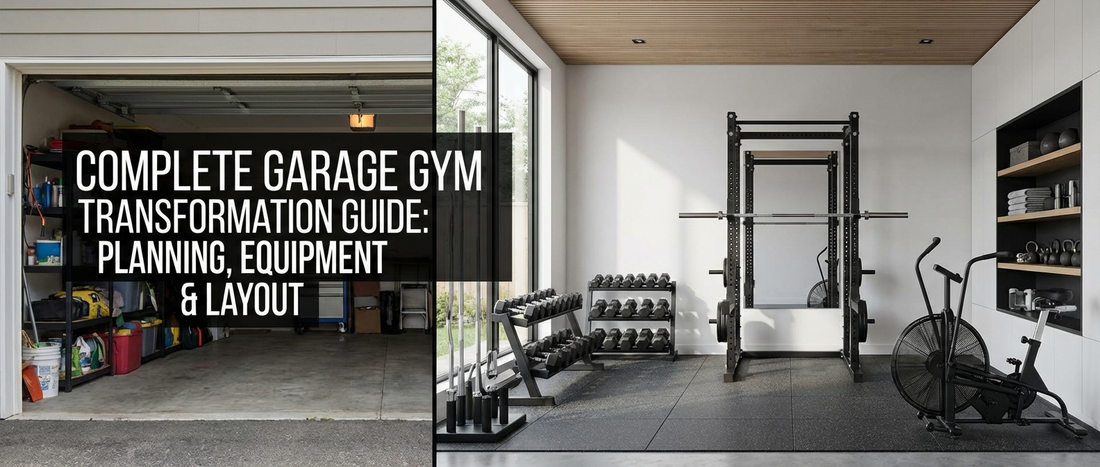
Complete Garage Gym Transformation Guide: Planning, Equipment & Layout
Share
Ready to transform your garage into the ultimate home gym? You're not alone. Thousands of fitness enthusiasts are converting their garages into personal training spaces, and with proper planning, you can create a professional-grade workout environment that rivals any commercial gym.
How do you plan a garage gym transformation?
Planning a garage gym transformation requires assessing your space, budget, and fitness goals first. Start by measuring your garage dimensions, checking ceiling height (minimum 8 feet recommended), and evaluating electrical and ventilation needs. Most successful transformations follow a systematic approach: clean out, plan layout, address climate control, then install equipment.
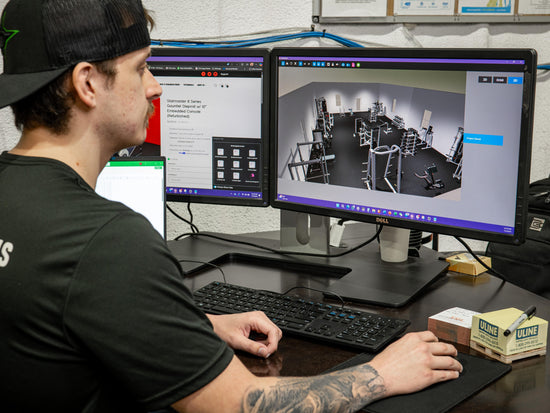
Before diving into equipment purchases, spend time visualizing your workout routines. Do you prefer strength training, cardio, or a combination? This will determine your equipment priorities and layout design.
What equipment do you need for a complete garage gym?
A complete garage gym requires essential strength equipment, cardio machines, and functional training tools. The foundation includes a power rack, Olympic barbell, weight plates, adjustable bench, and rubber flooring. For cardio, consider space-efficient options like the StairMaster HIIT Air Bike or a quality treadmill.
Here's a comprehensive equipment checklist organized by priority:
Essential Equipment (Phase 1)
- Power rack or squat rack
- Olympic barbell (45 lbs)
- Weight plates (start with 300+ lbs total)
- Adjustable bench
- Rubber flooring or mats
Cardio Equipment (Phase 2)
- Air bike for full-body HIIT workouts
- Treadmill for running/walking
- Elliptical for low-impact training
Functional Training (Phase 3)
- Kettlebells (various weights)
- Resistance bands
- Pull-up bar or rings
- Medicine balls
- Dumbbells or adjustable dumbbell set
How do you optimize garage gym layout for maximum efficiency?
Optimizing garage gym layout involves creating distinct zones for different training styles while maintaining safe movement pathways. Position heavy equipment like racks against walls for stability, place cardio equipment with proper ventilation clearance, and designate a flexible space for bodyweight exercises and stretching.
Consider these layout principles:
Zone-Based Design
- Strength Zone: Power rack, bench, and free weights near the back wall
- Cardio Zone: Treadmill, bike, or elliptical with TV viewing angle
- Functional Zone: Open floor space for bodyweight exercises
- Storage Zone: Wall-mounted storage for accessories
| Garage Size | Recommended Layout | Equipment Capacity |
|---|---|---|
| Single Car (12x20) | Linear layout along walls | Rack + 1 cardio machine |
| Double Car (20x20) | L-shaped with central open space | Full strength + 2 cardio machines |
| Oversized (24x24+) | Multiple zones with pathways | Commercial-style setup |
What are the biggest garage gym transformation challenges?
The biggest garage gym challenges include temperature control, moisture management, electrical limitations, and noise concerns. Garages experience extreme temperature swings that can damage equipment and make workouts uncomfortable. Most garages also lack adequate electrical outlets for multiple machines and proper lighting.
Climate Control Solutions
- Install insulation to regulate temperature
- Add ventilation fans for air circulation
- Consider mini-split systems for year-round comfort
- Use dehumidifiers to prevent rust and mold
Electrical Upgrades
- Install GFCI outlets for safety
- Add dedicated circuits for high-power equipment
- Upgrade lighting to LED for better visibility
- Consider 240V outlets for commercial treadmills
How much does a garage gym transformation cost?
A garage gym transformation costs between $2,000-$15,000 depending on equipment quality and infrastructure improvements. Budget transformations focus on used equipment and DIY modifications, while premium setups include new commercial-grade machines, climate control, and professional flooring installation.
Cost Breakdown by Category
- Flooring: $200-$800 (rubber mats to epoxy coating)
- Strength Equipment: $800-$3,000 (rack, barbell, plates, bench)
- Cardio Equipment: $500-$4,000 per machine
- Climate Control: $500-$3,000 (fans to HVAC systems)
- Electrical/Lighting: $300-$1,500
What's the best flooring for a garage gym?
The best garage gym flooring combines durability, shock absorption, and easy maintenance. Rubber mats or tiles are most popular, offering excellent protection for both equipment and concrete floors. Interlocking foam tiles work for lighter workouts, while rolled rubber flooring provides seamless coverage for heavy lifting areas.
Flooring Options Comparison
- Rubber Mats: $2-4/sq ft - Durable, easy to install, good for heavy weights
- Interlocking Tiles: $3-6/sq ft - Customizable, shock-absorbent, easy replacement
- Rolled Rubber: $4-8/sq ft - Seamless, professional look, permanent installation
- Foam Tiles: $1-2/sq ft - Budget-friendly, good for yoga/stretching areas
Frequently Asked Questions
How long does a garage gym transformation take?
A typical garage gym transformation takes 2-6 weeks depending on the scope. Simple equipment installations can be completed in a weekend, while full renovations with electrical work, insulation, and climate control may require 4-6 weeks including permit approvals and contractor scheduling.
Do I need permits for a garage gym conversion?
Most garage gym conversions don't require permits since you're not changing the structure's use. However, major electrical work, plumbing additions, or structural modifications may need permits. Check with your local building department before starting major renovations.
Can garage gym equipment handle temperature extremes?
Quality remanufactured commercial equipment like the Precor EFX 835 Elliptical is designed for institutional use and handles temperature variations better than consumer-grade equipment. However, extreme cold can affect electronics and moving parts, making climate control worthwhile.
How do I prevent rust and equipment damage in a garage gym?
Prevent rust by controlling humidity levels below 50%, ensuring proper ventilation, and regularly cleaning equipment. Apply protective coatings to exposed metal, use covers during humid seasons, and consider a dehumidifier in climates with high moisture levels.
What's the minimum ceiling height needed for a garage gym?
The minimum ceiling height for a garage gym is 8 feet, though 9-10 feet is ideal for pull-ups and overhead movements. Standard garage doors provide adequate clearance, but check for garage door tracks and openers that might interfere with tall equipment placement.


