





How to Build the Perfect Basement Gym: Equipment Selection, Layout Planning & Space Optimization
Share
Basements offer the ultimate home gym opportunity—dedicated space, privacy, and room to grow your fitness setup. With proper planning, your basement can become a world-class training facility that rivals commercial gyms while saving you thousands in membership fees.
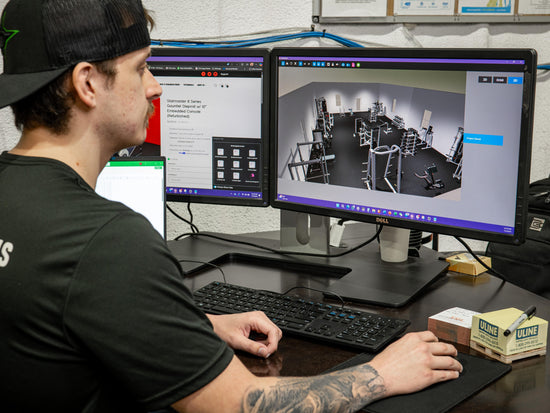
How do you plan the perfect basement gym layout?
Start with accurate measurements and create zones for different activities. A well-planned basement gym needs at least 8x8 feet for basic strength training, with 9-foot ceilings minimum for overhead movements. Map out power rack placement first, then arrange cardio equipment and accessories around your lifting area.
The key is creating distinct zones that don't interfere with each other:
- Strength Zone: Power rack, bench, and free weights (requires 8x10 feet minimum)
- Cardio Zone: Treadmill, elliptical, or bike placement near electrical outlets
- Functional Training Area: Open floor space for bodyweight exercises and stretching
- Storage Zone: Wall-mounted racks for plates, dumbbells, and accessories
What equipment should you prioritize for a basement gym?
Focus on versatile, space-efficient equipment that delivers maximum training options. Your foundation should include a power rack, Olympic barbell, weight plates, and adjustable bench. These four items enable hundreds of exercises in minimal space.
Essential equipment hierarchy:
- Power Rack with Pull-up Bar: Enables squats, deadlifts, rack pulls, and upper body work
- Olympic Barbell and Plates: 300-500 pounds total weight covers most training needs
- Adjustable Bench: Flat and incline positions for chest, shoulder, and accessory work
- Cardio Machine: Choose based on preference and available space
For cardio equipment, the Life Fitness CLST Integrity Series Treadmill offers commercial-grade performance in a basement-friendly footprint. Its sturdy construction handles intense training while the quiet operation won't disturb family members upstairs.
How do you optimize limited basement space?
Vertical storage and multi-functional equipment maximize every square foot. Wall-mounted plate storage, ceiling-mounted pull-up systems, and foldable benches create more usable floor space while keeping equipment organized and accessible.
Space-saving strategies that work:
- Wall-mounted storage: Plate racks, dumbbell holders, and accessory hooks
- Ceiling utilization: Suspension trainers, battle rope anchors, and storage
- Multi-use equipment: Adjustable dumbbells, cable systems, and functional trainers
- Foldable options: Benches, squat stands, and cardio equipment that stores flat
What are the must-have basement gym features?
Proper ventilation, adequate lighting, and moisture control create a comfortable training environment. Install fans for air circulation, LED lighting for visibility, and dehumidifiers to protect equipment from rust and deterioration.
Critical infrastructure elements:
| Feature | Basic | Premium |
|---|---|---|
| Flooring | Rubber mats | Interlocking rubber tiles |
| Lighting | Basic LED fixtures | Track lighting system |
| Climate Control | Portable fan | HVAC integration |
| Sound Control | Basic mats | Acoustic panels |
How do you choose between cardio equipment options?
Consider your training goals, available space, and noise concerns. Treadmills work well for runners, ellipticals provide low-impact full-body workouts, and air bikes deliver intense interval training in compact footprints.
The Precor EFX 835 Total Body Elliptical Trainer combines upper and lower body movement while remaining relatively quiet—perfect for basement installations. Its commercial durability ensures years of reliable performance.
For high-intensity training, the StairMaster HIIT Air Bike delivers brutal cardio workouts in minimal space. Its fan-based resistance scales with effort, making it suitable for all fitness levels.
What's the ideal basement gym budget breakdown?
Allocate 60% of your budget to strength equipment (rack, barbell, plates, bench), 25% to cardio equipment, and 15% to flooring, storage, and accessories. This ensures you get quality essentials before adding luxury items.
How do you address common basement gym challenges?
Low ceilings, moisture issues, and temperature fluctuations require specific solutions. Install proper insulation, use commercial-grade equipment designed for challenging environments, and create adequate drainage for potential water issues.
Common solutions for typical problems:
- Low Ceilings: Choose equipment under 84 inches, focus on horizontal movements
- Moisture Control: Dehumidifier, proper ventilation, rust-resistant equipment
- Noise Reduction: Thick rubber flooring, equipment pads, acoustic treatments
- Limited Natural Light: High-quality LED fixtures, light-colored walls
Frequently Asked Questions
How much ceiling height do I need for a basement gym?
Minimum 8 feet for basic lifting, but 9+ feet is ideal for overhead movements like military presses and pull-ups. Lower ceilings can work with careful equipment selection and modified exercises.
What's the best flooring for a basement gym?
Interlocking rubber tiles or rolled rubber flooring provide cushioning, noise reduction, and moisture resistance. Avoid carpet or bare concrete which can harbor moisture and bacteria.
How do I prevent equipment rust in a basement environment?
Maintain humidity below 50% with a dehumidifier, ensure proper ventilation, and choose equipment with protective coatings. Regular cleaning and maintenance prevent corrosion.
Can I install heavy equipment on a basement concrete floor?
Yes, concrete floors easily support gym equipment weight. Use rubber mats to protect both the floor and equipment while reducing noise transmission to other areas.
Should I hire professionals for basement gym electrical work?
Always use licensed electricians for new outlets or circuits. Many cardio machines require dedicated 20-amp circuits, and safety is paramount in basement environments with potential moisture issues.


